


Updated July 2026
Have you ever had to drive when you were not feeling well? It may have seemed like you were not able to focus on driving. Is that just your imagination, or is it a real concern?
Safely Driving with the Cold or Flu
None of us are lucky enough to not have had an experience with the common cold or flu. Generally, driving with these illnesses is not considered unsafe. You may want to double think driving if you are running a fever. A fever can cause lightheadedness and confusion. High fevers can even cause hallucinations. These conditions can impair perception. If possible, you should avoid driving if you have a fever. While chills alone do not appear to cause impairment, they are a sign of a fever.
Headaches also vary in extremes, from mild to debilitating. Some headaches brought on by the flu can cause a migraine, where sensitivity to sound and light becomes painful and can make it nearly impossible to focus on any task.
Tiredness is a known cause of car accidents, causing thousands of deaths and injuries each year. Both perception of the road conditions and reaction times are slower when the body is tired. Extreme tiredness worsens the effects.
Sick driving?
Both perception of the road conditions and reaction times are slower when the body is tired. Extreme tiredness worsens the effects.
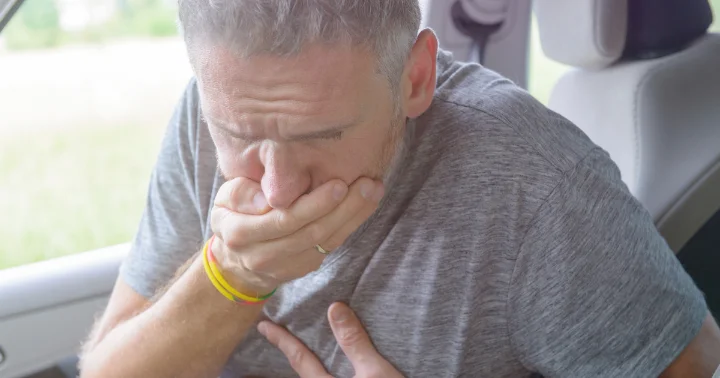
Sneezing and coughing causes brief disruptions. A cough can cause a driver to reflexively take their hand off the steering wheel to cover their mouth or reach for a tissue. A sneeze can do the same, and it momentarily causes the driver to close their eyes. If a cough or a sneeze happens at an inopportune time, it can prevent a driver from reacting timely, resulting in a close call or crash.
To make matters worse, some medications used to treat cold or flu can interfere with driving skills. Many cough medicines, decongestants, and antihistamines are known to cause drowsiness.
Medical Conditions of Illnesses that Can Impact Your Ability to Drive
While many drivers are able to safely operate a vehicle while managing common illnesses, certain medical conditions can create serious risks behind the wheel. Sudden medical emergencies, including heart attacks, seizures, strokes, diabetic episodes, or loss of consciousness, can cause a driver to lose control and cause a serious accident. When a crash occurs because a driver failed to take reasonable precautions regarding a known medical condition, injured victims may have legal options to pursue compensation. Some of these conditions include:
- Heart attacks or cardiac events
- Seizures
- Strokes
- Diabetes-related emergencies (hypoglycemia)
- Sudden loss of consciousness
- Severe infections causing confusion or weakness
- Medication side effects related to illness treatment
- Vision impairment caused by medical conditions
- Fatigue or dizziness from illness
While colds and flu are common illnesses that cause symptoms that may impair driving, other illnesses can also be troublesome. Eye infections typically cause blurred vision. Ear infections can cause dizziness, nausea, and disorientation.
Driving with a stomach bug can seriously impair driving skills. These viruses usually appear within a day or two of exposure. Symptoms come on quickly and often cause nausea, stomach pain and cramping, muscle aches, and diarrhea. Most of these symptoms render motorists unable to focus and drive safely.
Real People. Real Results.
View Our ResultsMotion sickness can be bought on by a cold, flu, fever, or stomach bug. It interferes with a driver’s ability to focus and involves nausea and disorientation. Some techniques to try to minimize the effects are to sit up straight, focus straight ahead, and avoid looking out of side windows unless necessary. The symptoms may be eased by some water or by taking motion sickness tablets. However, driving while experiencing motion sickness cannot be sustained for long and should be avoided.
A significant number of people suffer from chronic back pain. Some causes of back pain include strain from work, back injury from a prior accident, or age-related disorders, such as arthritis, osteoporosis, or stenosis of the spine. While recovery from back injury and/or strain takes a significant amount of time, most people cannot take sick leave for long enough to be relieved of back pain.
While other illnesses may not directly cause symptoms that can interfere with driving, they can indirectly interfere if the medication prescribed for them causes problematic symptoms. For example, a number of medications used to treat depression and/or anxiety disorders can make a person tired.
Check all medications you take regularly for warnings against operating heavy machinery and/or causing drowsiness. If you must take medications for chronic conditions and they cause you to be tired, work with your medical care provider to see if there are alternative medicines.
How Common Is Driving While Sick?
The incidence of driving while experiencing symptoms that can interfere with driving is quite common. The more chronic a condition, the more time drivers spend behind the wheel when their skills can be compromised.
Driving while experiencing back pain has similar effects to driving while experiencing other illnesses. It can reduce ability to focus and reduce reaction time. If it impairs mobility as well, then back pain can cause other problems. A person who cannot twist to look out the side window or who can only lift their leg a certain distance will be unable to safely maneuver a vehicle.
Areas We Serve
Serving Norristown, King of Prussia, and Lansdale
Montgomery County Car Accident Lawyers at Anthony C. Gagliano III, P.C. Can Help After a Crash Caused by a Negligent Driver
If you were injured in a car accident caused by a driver who failed to operate their vehicle safely, you may have the right to pursue compensation for your injuries and losses. The Montgomery County car accident lawyers at Anthony C. Gagliano III, P.C. can help you understand your legal options, investigate the cause of your crash, and advocate for your rights. Call our offices today or complete our online form to schedule a free consultation. Located in Pennsylvania, we represent injured clients throughout Montgomery County, including Norristown, King of Prussia, and surrounding communities.